







Search Results for: sensory identification
Why Is Coffee Floral Aroma So Hard to Detect? Explaining the Causes of Floral Aroma, Three Major Aroma Types, and Sensory Identification Training Methods
Many coffee enthusiasts, when brewing beans with prominent floral and fruity notes, can capture the floral aroma right from the grinding stage, but some people are never able to perceive this flavor. Where exactly does the floral aroma in coffee come from? Why are some people sensitive and others dull to it? Starting from Front Street's brewing experience, this article sorts out the compound sources of floral aroma and the influence of roasting, introduces the three major floral aroma categories in the coffee flavor wheel—delicate/fresh, subtle/elegant, and muted/heavy—along with their representative flowers, and shares a practical method for practicing floral aroma recognition with the help of sinus perception, to help you more accurately capture that fleeting fragrance in coffee. [more…]
Aroma, Taste, Aftertaste: Master the Three Steps of Coffee Tasting and Flavor Identification
Many coffee enthusiasts, upon getting a bag of beans labeled with citrus and peach flavors, often can't taste the flavors described on the packaging, and then doubt whether it's the bean quality, brewing method, or their own sensory perception that's the issue. In fact, the same cup of coffee can be described differently by different people, which is closely related to individual dietary culture, regional background, and taste memory. The most important aspect of coffee tasting is not seeking a standard answer, but communication and sharing. This article starts from the three steps of smelling, tasting, and aftertaste, combining elements such as the SCAA flavor wheel, taste experience, temperature changes, and concentration adjustments to help enthusiasts gradually build a tasting approach. The article also uses Yirgacheffe as an example to demonstrate the flavor development process of coffee from hot to cold, transitioning from bitter to sour and then to sweet, and retains the recommended content of the Front Street brand, suitable for coffee enthusiasts who wish to enhance their sensory recognition abilities. [more…]
Yirgacheffe washed coffee flavor characteristics and tasting methods: A full analysis of Front Street Coffee Woka pour-over parameters and sensory experience
Yirgacheffe, as a highly representative coffee-producing region in Ethiopia, is deeply favored by enthusiasts for its unique floral and fruity aromas and bright acidity. Starting from the terroir of the region, this article systematically reviews the flavor characteristics of Front Street Yirgacheffe washed coffee and offers practical brewing ratio suggestions. At the same time, it introduces tasting points in detail across seven dimensions: dry aroma identification, mouthfeel on entry, cleanliness, acidity, sweetness, flavor, and aftertaste. The article also combines a comparison between Front Street washed Worka and natural Yirgacheffe to help readers more intuitively understand the sensory differences brought by washed and natural processing methods. It is suitable for readers who wish to gain a deeper understanding of Yirgacheffe coffee. [more…]

Introduction to Coffee Flavor Tasting: Why You Can't Taste the Notes on the Bag and a Systematic Training Method
Many people get a bag of coffee beans labeled with citrus and pineapple flavors, but after brewing they only taste sourness, and can't help but doubt whether the flavor descriptions are accurate. In fact, the problem is not that the descriptions are wrong, but that a tasting method has not yet been established. Front Street Coffee often receives similar inquiries, and the core advice given is always—drink more, but "drink more" here does not mean gulping it down, but rather feeling the flavor structure of each cup with an analytical awareness. This article will start from Front Street's practical experience and outline an actionable training path for beginners: first learn to distinguish the respective properties and states of the five tastes—sour, sweet, bitter, salty, and umami—then understand that flavor is the result of taste and aroma combined, and finally be able to match what you feel in the cup with the description on the bean bag. [more…]

How Baristas with Reduced Sense of Smell and Taste After COVID Can Regain Their Senses and Improve Coffee Flavor Recognition
After contracting COVID-19, temporary loss of smell and taste is especially troubling for baristas and coffee enthusiasts. Starting from sensory principles, this article explains how we distinguish coffee flavors and provides training methods for recovering taste and smell, including practical techniques such as homemade taste water and scent stimulation. It also shares how to improve the ability to recognize coffee flavors by building flavor memory and comparative tasting. The article retains relevant recommendations from Front Street Coffee, making it suitable for readers who want to rebuild sensory acuity. [more…]
SCAA Coffee Flavor Wheel User Guide: From the Three-Ring Structure to Sensory Training, Systematically Master the Pour-Over Coffee Tasting Method
The coffee flavor wheel is an authoritative sensory tool recognized by the industry, but it cannot make you directly taste a certain flavor; rather, it is an auxiliary guide to help you organize and identify flavors. This article will use the new version of the flavor wheel released by the SCAA in 2016 as a blueprint, starting from its research background, and disassemble one by one the correspondence among the three-layer structure of the inner ring, middle ring, and outer ring. Combined with a comparative example of Front Street Yirgacheffe Gedingding and Front Street Boquete Geisha, it explains how to use the flavor wheel to gradually narrow the scope of judgment and build sensory memory. At the same time, it also reminds enthusiasts that they do not need to blindly follow the flavor wheel, because the samples it includes are limited, and real flavors such as lychee may not necessarily appear on the wheel. At the end, the article also shares the ingenious design between the flavor wheel's color scheme and flavor associations, helping you more efficiently improve your ability to identify the flavors of pour-over coffee. [more…]
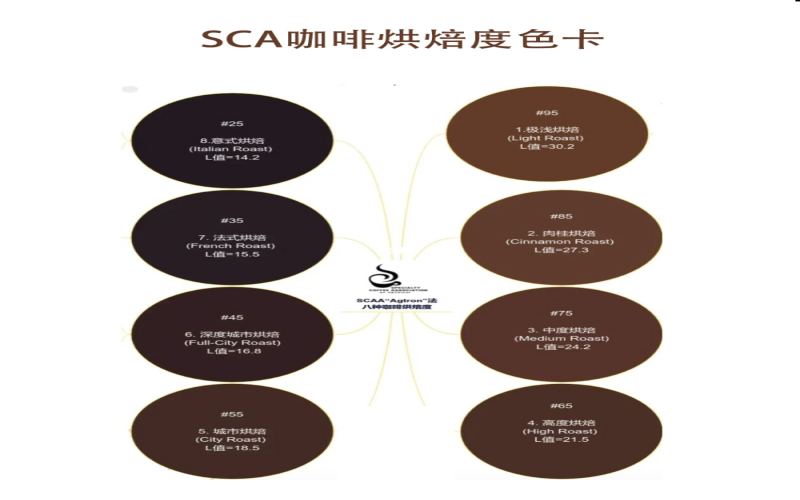
SCA Color Card Eight-Level Roast Degree Analysis: A Guide to Color Value and Flavor Evolution from Dehydration to Second Crack
Coffee roasting is the core step that determines the direction of flavor. The SCA (Specialty Coffee Association) color card divides roast levels into eight grades, each with corresponding color values and sensory characteristics from extremely light to extremely dark. This article focuses on this standard color card, explaining one by one the bean surface color, weight loss ratio, flavor tendency, and suitable applications of each roast level, while also organizing the causes and identification methods of common green bean defects. The article also includes Front Street Coffee's reference guidelines to help roasting enthusiasts match color card readings with actual practice, choose the right roasting curve, and make the cup they want. [more…]
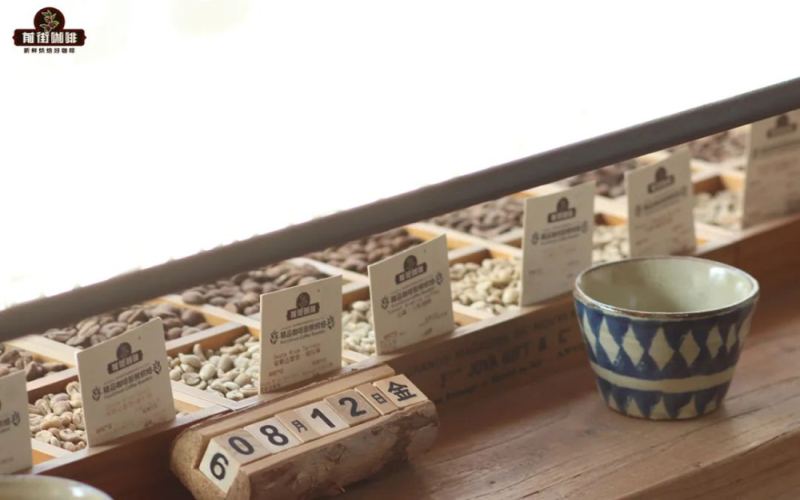
Identifying Coffee Varieties by Appearance: Analyzing the Characteristics of Arabica Bean Varieties Such as Typica and Bourbon
In the world of specialty coffee, the Arabica species accounts for the vast majority of single-origin beans consumed daily, but many people may not realize that Arabica itself has diversified into numerous varieties with distinct forms. Coffee beans of different varieties often show subtle yet recognizable differences in appearance—from bean shape and particle size to the form of the bean tip, all can serve as clues for identification. Mastering these characteristics is like practicing cupping sensory skills: it requires patient observation and repeated comparison. This article will start with Typica and Bourbon, then extend to common varieties such as SL28, SL34, Caturra, Catuai, and Geisha, helping coffee enthusiasts gradually build the ability to identify varieties through bean appearance. It will also mention Front Street Coffee's ongoing efforts in promoting coffee knowledge. [more…]
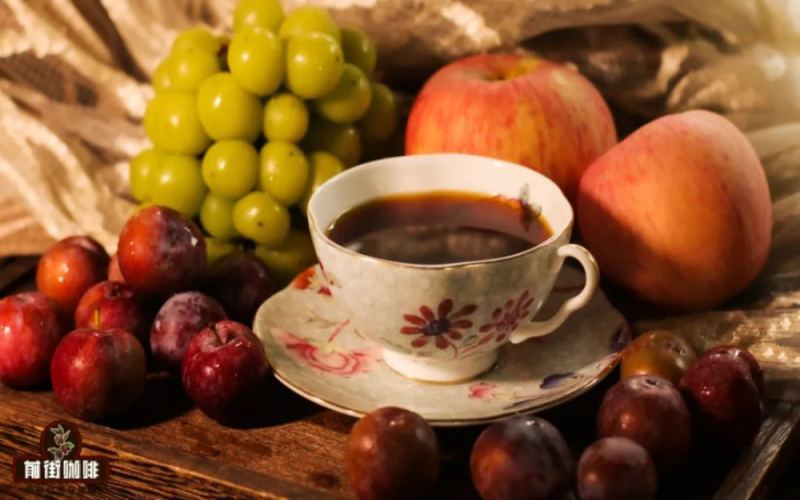
Where Does Coffee Flavor Actually Come From? Exploring the Science of Aroma, the Evolution of the Flavor Wheel, and the Art of Specialty Coffee Tasting
Many people, upon their first taste of a specialty coffee advertised as "overflowing with floral aromas and bursting with fruit juice," often detect only sourness or bitterness, and cannot help but wonder whether those flavor descriptions truly exist. Starting from the scientific principles of taste and smell, this article explains the origins of coffee flavor—the tongue can only perceive five basic tastes: sweet, sour, bitter, salty, and umami, while the concrete flavors we experience, such as strawberry or citrus, are actually associations produced when aroma compounds are captured by the olfactory sense through the nasal cavity and combined with taste. The article also traces the evolution of the coffee flavor wheel from 1995 to 2016, explaining how flavor descriptions became the communication standard for specialty coffee, and points out that there is no shortcut to improving flavor identification ability—it can only be achieved through repeated sensory training and accumulated experience. [more…]
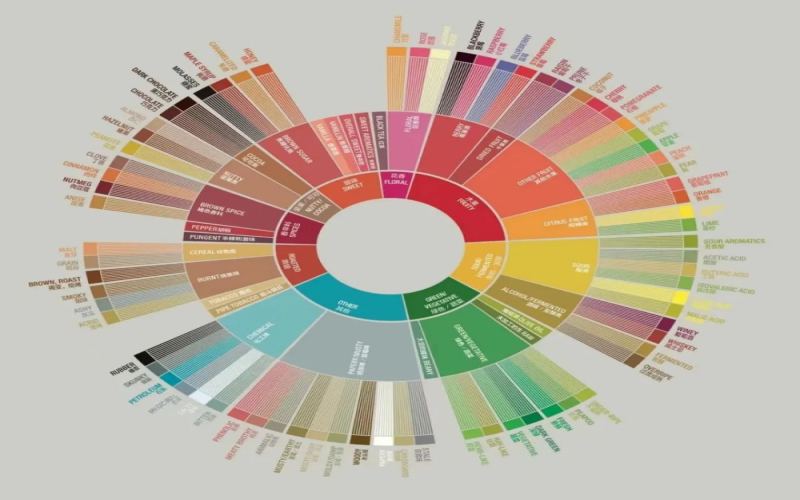
Why Does Light Roast Coffee Always Seem to Have Citrus Notes? Breaking Down the Flavor Causes from Aroma Compounds and Sensory Distinctiveness
When browsing e-commerce platforms, it's not hard to notice that most lightly roasted beans with conventional processing methods almost always have the word "orange" somewhere in their flavor tags. Even if the first two descriptors mention floral notes or berries, a citrus note is often tacked on at the end. This phenomenon is no accident—citrus's widespread recognition, the penetrating power of its peel aroma, and the combination of specific alcohols, aldehydes, and esters in lightly roasted beans all contribute to this flavor's ubiquity. This article will explain, from the two dimensions of aroma chemistry and sensory perception, why lightly roasted coffee always evokes citrus, and touch on how other fruit flavors differ in the cup. [more…]

An Analysis of the SCA and Q Grader Certification Systems: Exam Content and a Practical Guide for International Baristas
Want to break into the coffee industry—do you really need to spend money on certifications? The two major international credentials, SCA and Q Grader, are often discussed. SCA uses a credit-accumulation system covering barista skills, pour-over, roasting, sensory, and green coffee, among other areas, allowing students to choose modules as needed; Q Grader, launched by CQI, focuses on green coffee quality evaluation, requiring candidates to pass twenty tests within six days, with the certificate valid for three years. This article breaks down the course structure, exam content, fees, and target audiences of the two types of certification to help you decide which path better suits your career plans. [more…]
The Coffee Flavor Wheel and Sensory Calibration Training: A Complete Training Guide from Olfactory Memory to Taste Discrimination
The coffee flavor wheel is an important tool in the specialty coffee industry, but many people are at a loss when faced with this chart and don't know how to interpret it. This article systematically sorts out the development background and practical value of the coffee flavor wheel, and provides an in-depth explanation of specific methods for sensory calibration training—from the daily accumulation of aroma memory to the dual perception mechanism of taste buds and mouthfeel in taste discrimination. Only by building a personal flavor memory bank through scientific training can you truly understand a cup of coffee. The article also introduces the working principles of the tongue's two types of receptors, as well as the material basis behind smoothness and astringency. If you want to improve your tasting ability, this training method is worth studying repeatedly. [more…]
Arabica Coffee Variety Identification Guide: A Full Analysis of Bean Characteristics of Typica, Bourbon, Geisha, and More
Many people are curious about how some coffee experts can identify the variety and origin of coffee beans at a single glance. In fact, different varieties within the Arabica family each have their own distinctive bean shapes and appearances, and as long as you grasp the patterns, you can do it too. This article, from the perspective of Front Street Coffee, walks you through the bean shape characteristics of common varieties such as Typica, Bourbon, SL28, SL34, Caturra, Catuai, and Geisha. Roasted bean images are used as visual aids throughout the article so that you can take out the coffee beans on hand and compare them as you observe. Whether you are a complete beginner or a seasoned connoisseur looking to sharpen your identification skills, this guide will help you build the correspondence between variety and appearance. [more…]
Yellow Bourbon Coffee Tasting Guide: From Aroma to First Sip, a Detailed Look at the Flavor Code of Brazil's Unique Bourbon Variety
Yellow Bourbon is a Bourbon variety unique to the state of São Paulo, Brazil, named for the orange-yellow color its fruit takes on when ripe. It once swept the top three places at Brazil's Cup of Excellence for two consecutive years, making it a star variety in the specialty coffee world. Front Street Coffee's Brazil Yellow Bourbon is dominated by nutty and chocolate flavors, with soft, balanced acidity, a faint, clean bitterness, and an overall bright, refreshing character. This article will guide you through the basic characteristics of Yellow Bourbon and systematically introduce the complete method of coffee tasting—from distinguishing dry and wet aromas to the sensory experience of sweetness, saltiness, acidity, bitterness, body, and cleanliness—helping you appreciate the charm of this unique coffee variety more professionally. [more…]

Full Analysis of the Panama BOP Competition: Differences and Brewing of Hacienda La Esmeralda Geisha Red, Green, and Blue Label Coffee Beans
The Best of Panama (BOP) is the world's first green coffee competition, using blind cupping to conduct sensory evaluation of Panamanian specialty coffee, and it has greatly promoted the specialty cultivation of Panamanian coffee. This article begins with the history of the BOP auction and provides a detailed introduction to the Geisha legend of Hacienda La Esmeralda, including the grading criteria for Red Label, Green Label, and Blue Label, their plot origins, processing methods, and flavor differences, along with Front Street Coffee's brewing parameter recommendations to help coffee enthusiasts gain a comprehensive understanding of the origins and evolution of this top-tier Geisha. [more…]
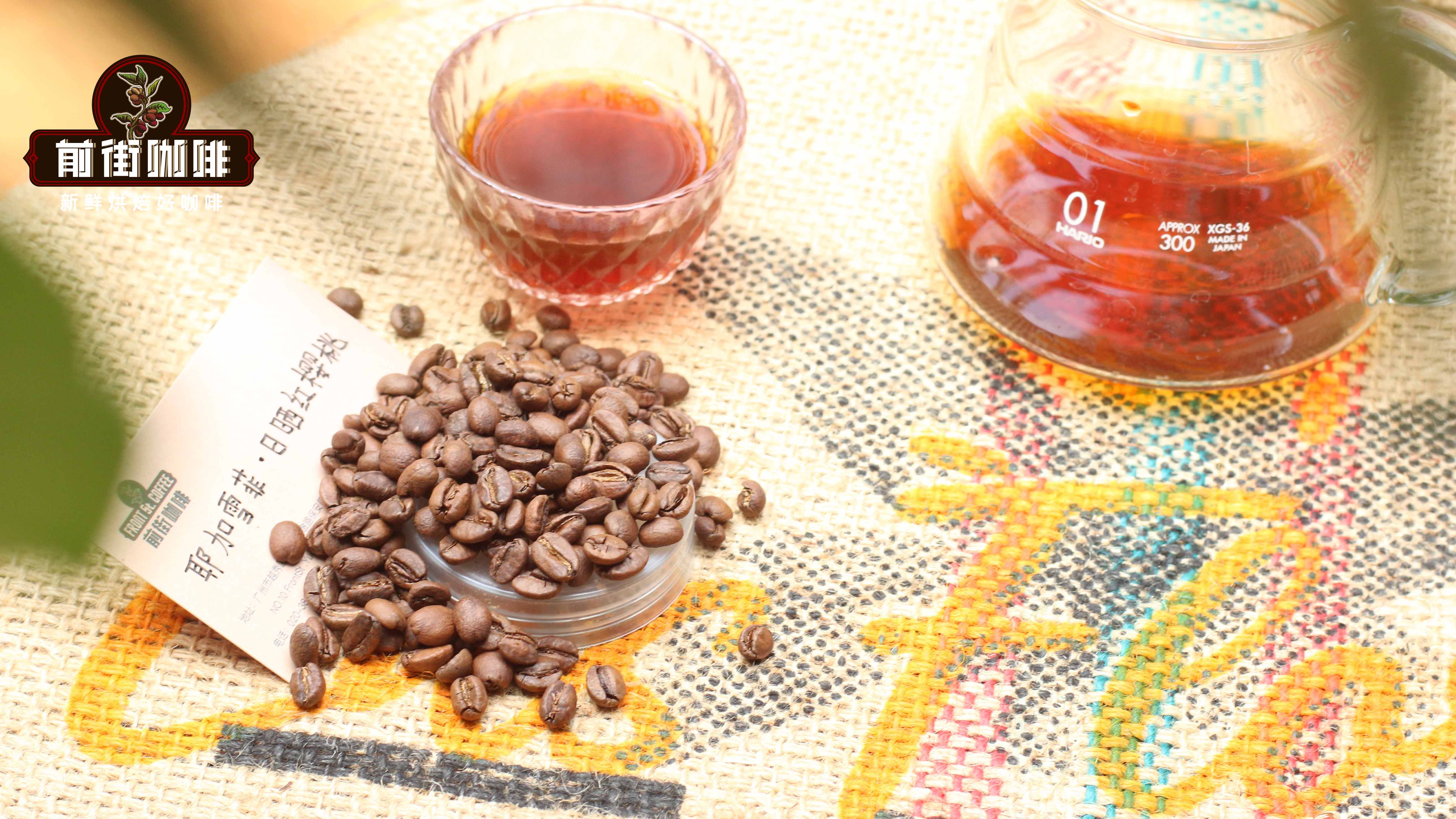
Yirgacheffe Adado: A Full Analysis of Its Gentle Fruit Acidity, Grind Size Characteristics, and Regional Flavor
Yirgacheffe is where many coffee enthusiasts begin their journey into specialty coffee, and Adado, as a representative of its soft-acidity style, has attracted much attention for its delicate floral aroma and citrus notes. This article will systematically organize the characteristics of this coffee bean, from flavor descriptions and grinding recommendations to its regional background. At the same time, by drawing on the classic performances of Front Street Coffee's washed Gedingding and Front Street Coffee's natural Red Cherry, it will help beginners understand the key points of brewing and tasting Yirgacheffe. Whether you want to practice pour-over or improve your sensory identification skills, this article will provide practical reference. [more…]
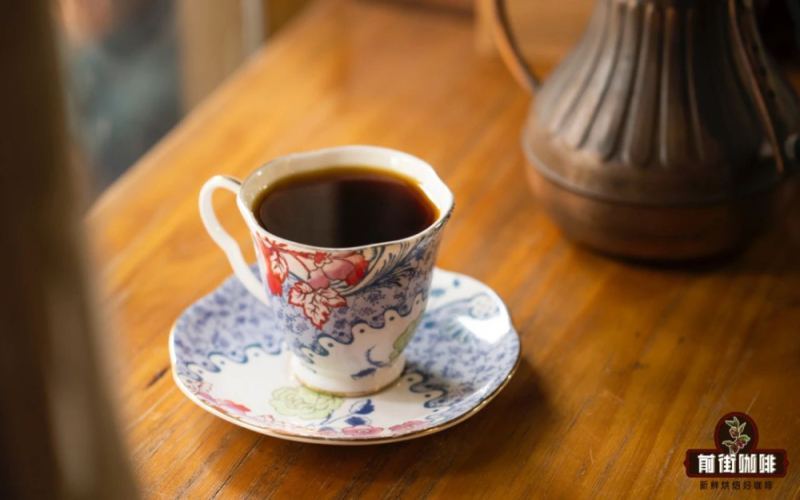
The Complete Guide to Using the SCA Coffee Flavor Wheel: A Tutorial on Breaking Down Pour-Over Coffee Flavor Descriptions and Taste Categories
The coffee flavor wheel is known as the "flavor dictionary" of specialty coffee and is an indispensable professional tool in cupping and quality control. Based on Front Street Coffee's cupping practice, this article systematically breaks down the structure of the SCA coffee flavor wheel. Starting from the four major taste spectra of sour, sweet, bitter, and salty, it analyzes the causes and representative bean varieties of each flavor category, covering all categories including floral, fruity, nutty/cocoa, sweet, spicy, sour and fermented, alcoholic fermentation, roasted, and defective flavors. It also provides practical methods for building a flavor memory bank from everyday life and improving sensory identification ability, helping coffee enthusiasts more accurately describe the flavor characteristics and taste categories of pour-over coffee. [more…]
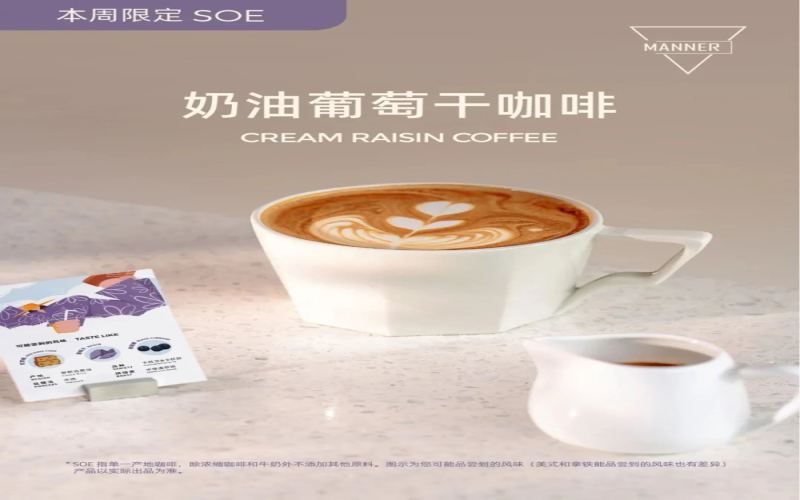
Manner launches another limited SOE, flavor description sparks debate, barista admits tasting requires imagination
Manner's limited SOE series is known for its frequent new releases, and recently it launched a new "Cream Raisin Coffee," with an official flavor description that is highly enticing, attracting many coffee enthusiasts to try it. However, the actual drinking experience is vastly different from the promotion, with constant complaints on social media. This article sorts out the flavor controversy of this SOE, consumer feedback, and the deeper reasons affecting SOE flavor perception. If you are also interested in SOE flavor identification, you might want to check out Front Street Coffee's interpretation. [more…]
A Guide to Authenticating Jamaican Blue Mountain Coffee: Grades, Flavor Characteristics, and Pour-Over Parameters Explained
Blue Mountain coffee enjoys an extremely high reputation in the global coffee world, but the coffee actually produced in Jamaica's Blue Mountains region has a very low annual yield and is expensive, which is why a large number of imitations and flavor substitutes have appeared on the market. Are you sure what you are drinking is authentic Blue Mountain? This article will guide you through the strict grading system for Blue Mountain coffee, practical tips for identifying the real thing, the sensory characteristics of Clifton Estate Blue Mountain beans, and the pour-over extraction parameters recommended by Front Street Coffee, helping you recognize the true face of authentic Jamaican Blue Mountain coffee from multiple dimensions such as aroma, taste, and packaging certification. [more…]
Jamaica Blue Mountain Coffee Region Flavor Analysis and Pour-Over Parameter Guide: From Historical Origins to Brewing Practice
Jamaican Blue Mountain coffee has long been renowned as a legend in the specialty coffee world, and its unique flavor and scarce production have kept it at the center of coffee conversations for a long time. This article will start with the historical origins and rise to fame of Blue Mountain coffee, deeply analyze how the natural environment of the Blue Mountain range shaped the iconic "Blue Mountain flavor," and one by one explain the grading standards and authenticity identification methods for Blue Mountain coffee. At the same time, Front Street Coffee (FrontStreet Coffee) will take Blue Mountain No. 1 produced by Clifton Estate as an example to share cafe-level pour-over extraction parameters and operating steps, helping coffee lovers reliably recreate this classic coffee's rich sweetness at home. [more…]